
Servants bells and methods of communication
If you live in a big house with lots of servants, how on earth do you get their attention when you need them to do something for you?
When Athelhampton House was first built, this wasn't really a problem. Servants weren't kept separate from their masters and mistresses. Higher up servants and attendants might be slightly poorer relations. In other cases, they might be younger children from a family of similar status: pages, as well as attendants, were essentially undertaking an apprenticeship in being a gentleman or gentlewoman. Margaret Martyn, mistress of Athelhampton, gives money in her will to Arthur Wadham, her servant. He was also her cousin.
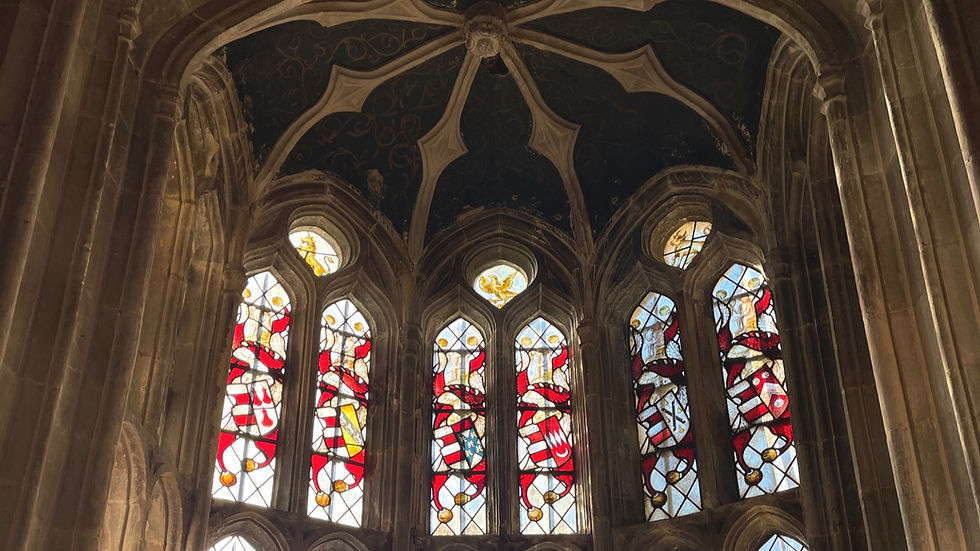
Due to this close kinship, higher ranking servants intermingled with the family. Even lower ranking ones were rarely far away: servant's halls didn't exist, and you'd be as likely to find the mistress of the house in the 16th century in the kitchen, dairy, or stillroom working alongside her servants as you would be to find her in the Great Hall, playing music, embroidering, or receiving guests.

It wasn't uncommon for wealthy women to marry their stewards after their husbands died, possibly due to the close relationship they had developed while working together. We know that one of Elizabeth Tregonwell's (formerly Martyn, formerly Kelway) daughters married Elizabeth's steward.
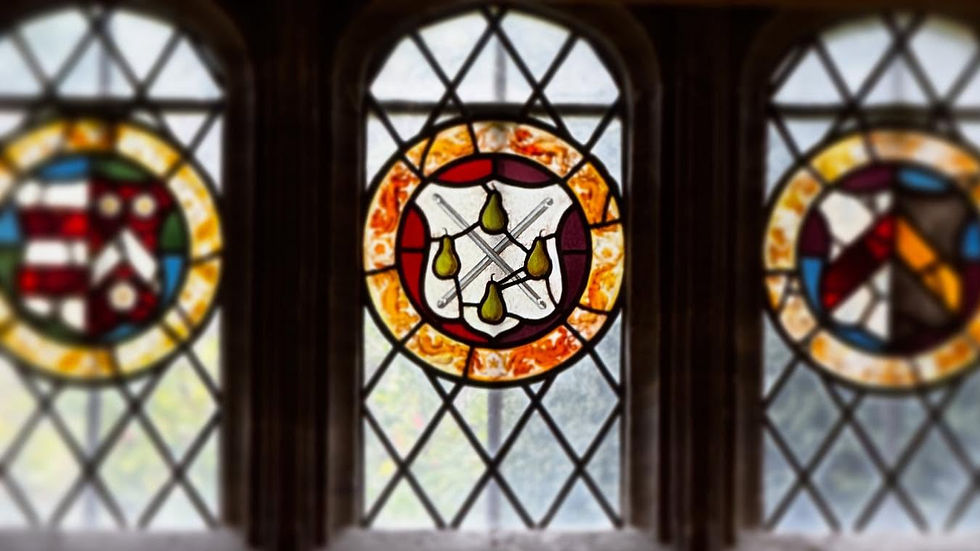
The house was designed to keep servants close at hand. The service block was just at the bottom of the Great Hall, and servants who didn't sleep there would sleep in the Great Hall, or (in the case of the higher ranking servants) in the same rooms as their masters and mistresses. If you needed a servant, they were easy enough to call!

But by the 18th Century, this had all changed. It was increasingly common for servants to be kept apart from the family, with the main points of contact being with the housekeeper and butler. Country house design changed, keeping servants and their duties out of sight and out of mind. Houses became increasingly large, and completely separate service wings were added. In some grander houses, they added not just utility rooms, but basement walkways, separate staircases, and service tunnels too!
So, if the lady of the house needed help with her hair, or the master of the house wanted tea brought to him, how was that to be arranged, without a servant in sight? The first invention was sprung servant's bells. These were worked by a complex system of wires.
One of the family could pull on a lever, or a bell pull. Some bell pulls could be elaborately embroidered, and in bedrooms were often hung in such a location that they could be pulled without having to get out of bed.
On the other end of the wire was a bell, fixed to a larger board. This was generally mounted in a stairwell or a hallway, though bells could also be placed in servants' rooms. Each bell was individually labelled, and a different size, so that the bells could be distinguished by sound as well as by sight. Cleverly, each bell also operated on a pendulum system, so that the bell would stay ringing long enough for a servant to come to see where they were required.
In the 1860s, further developments led to the electric servants' bell. Far less intrusive, these battery powered systems would ring a bell whenever an electrical circuit was created by pushing a button. At the same time, an indicator board would show which room a servant was required in by means of a small coloured disc. Our electric bell boards from the Cochrane family's time here in the early 20th century still survive.

It could sometimes take a while for the bell to be answered, however. And another issue was that a servant wouldn't always know why they had been called, which would result in them having to go from one side of the house to the other, to find out why they were required, and then go to fetch whatever it was they were being sent for, resulting in them having to make a trip from one side of the house to the other two or three times.
The solution to this issue was the speaking tube. Instead of needing to make extra journeys, this was a mouthpiece on one end that could communicate with the receiving end, meaning that the request for (for example) tea could be easily communicated. To attract the attention of the servant beforehand, a plugged in whistle sound would play. However, these had limited range, and the speaker's voice was often muffled and unclear.
With the arrival of the telephone in the 1880s, direct communication both ways without difficulty was finally possible, though of course this wasn't a cheap option to begin with. Some houses had their own switchboard, and extensive internal systems, with the butler able to transfer calls. These telephone signals were entirely for within the house, and were never intended for external communication.
The upheaval of World War 1 and the feminist movements of the early 20th Century saw many women who would otherwise have gone into domestic service taking on other roles and other jobs. With the decline of landed, wealthy families, and the growing, frugal middle classes employing fewer servants, the need for servants' bells effectively died out. At Athelhampton, the last live in servant moved out in XXXX


